Co-Tenancy Clauses: The Rent Relief Franchise Operators Forget to Claim
 Revscale AI Team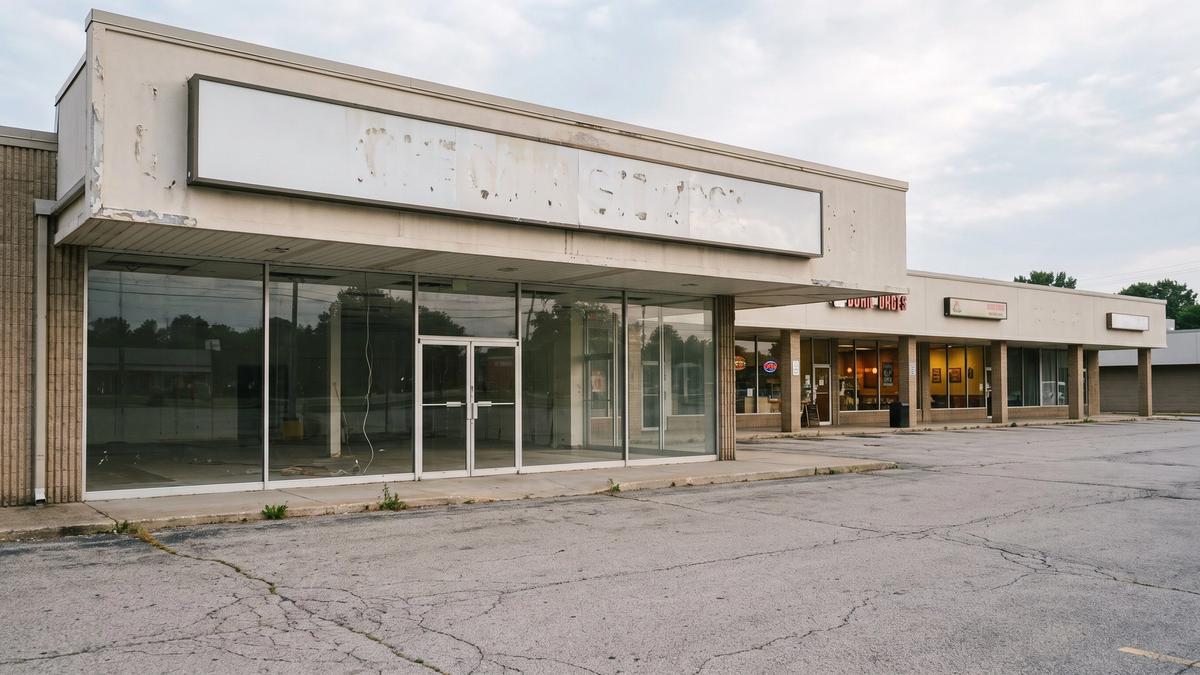
Coresight Research expects roughly 15,000 US retail stores to close in 2025, and by midyear it had already tracked closings covering about 123.7 million square feet of space. Most of that vacancy traces back to a short list of anchors: Party City, Big Lots, Kohl's, Macy's. For a franchise operator with units in shopping centers those anchors used to fill, that number is not a headline. It is a rent event. Buried in many retail leases is a franchise co-tenancy clause that turns an anchor's departure into a legal right to pay less, and a large share of operators never invoke it.
What a franchise co-tenancy clause actually gives you
A co-tenancy clause ties your obligations as a tenant to the occupancy of the center around you. The premise is plain: you signed the lease partly because of the traffic other tenants generate, so if that traffic leaves, your rent should reflect it. When the clause triggers, it does one of two things. It drops you to a reduced rent (often called substitute or alternative rent), or it gives you the right to terminate the lease after a cure period.
The reductions are not trivial. A common structure cuts base rent by half, taking a unit paying $20 per square foot down to $10 until the center re-tenants. Others switch you from fixed rent to a percentage of gross sales, capped below your normal minimum, so a slow location stops bleeding fixed occupancy cost during the exact stretch its sales are softest. For a franchise unit where healthy rent-to-sales runs 6 to 10 percent, a co-tenancy reduction can decide whether a location clears its debt service or does not.
The two triggers, and why the wording decides everything
Co-tenancy protection comes in two forms, and which one you hold determines whether you can actually use it.
Named co-tenancy lists specific tenants whose presence is required. The lease might state that your full rent applies only while a named anchor (a grocery or a big-box, say) is open and operating. If that exact tenant goes dark, your right triggers. The protection is strong but narrow, because it does nothing when a different, unnamed anchor leaves.
Percentage co-tenancy measures the health of the whole center. A typical threshold requires that 70 to 80 percent of the center's leasable area stay occupied and operating. Drop below the line and your remedy activates, regardless of which tenants caused it. This version is broader, but it forces you to know your center's real occupancy at any moment, which most operators do not track.
The trap sits in the operating-covenant language. A unit can be technically leased, with rent still being paid by a tenant that has stopped operating, and never count as vacant under a loosely drafted clause. "Occupied" and "open and operating" are not the same phrase, and landlords draft toward the version that protects their income.
Why operators sit on relief they already own
The right exists in the document. The reason it goes unused is operational, not legal.
Most multi-unit operators do not read their leases after signing. The lease goes into a folder, the rent clears by ACH, and nobody revisits the co-tenancy section unless a broker or attorney happens to flag it. An anchor can close, the trigger can be met, and the monthly payment continues at full rate because no one connected the closure to the clause.
Then there is timing. Co-tenancy remedies usually carry a window. You may have to notify the landlord within a set period after the trigger, or the right lapses. Miss the window and you keep paying full rent on a center that no longer meets the condition you bargained for. The landlord is under no obligation to remind you.
The data gap is real too. Knowing that a Macy's three doors down closed is easy. Knowing whether your center slipped under a 75 percent occupancy threshold (across square footage you do not control and cannot read off your own rent statement) is the part operators cannot answer without work most never do.
How to audit a portfolio for co-tenancy rights
If you run more than a handful of units, treat this as a standing review, not a scramble after an anchor announcement. Three steps cover most of it.
Extract every co-tenancy clause into one place
Pull the co-tenancy and operating-covenant language from each lease into a single record: clause type, named anchors, occupancy percentage, notice window, and the remedy. Most operators have never seen their portfolio summarized this way, and the summary alone surfaces units that have been overpaying.
Map each clause to its center's current occupancy
For named clauses, track the listed anchors. For percentage clauses, you need a current read on the center's occupied and operating square footage. Leasing brokers and county records help, but the center's own directory and a periodic site check often tell you faster whether a threshold is close.
Set the notice windows as live deadlines
Every co-tenancy right with a notification requirement becomes a date on a calendar tied to a trigger condition. When an anchor closes, the clock that matters is the cure-and-notice window, not the re-tenanting timeline the landlord is hoping you watch instead.
The leverage you are leaving on the table
Co-tenancy is more than a defensive rent cut. It is a negotiating position. A triggered clause gives you a credible right to reduce rent or walk, which is exactly the lever that reopens a lease.
Operators who track their triggers convert them into a renewed term at a lower base, a tenant-improvement allowance, or an early exit from a location that was underperforming anyway. Operators who miss them negotiate from nothing. The landlord's incentive runs the other way: a property where several tenants hold live co-tenancy rights can watch its net operating income fall fast if those rights get exercised together, which is why landlords move quickly to backfill anchors and quietly hope tenants are not paying attention. Knowing your rights are live, and that the landlord knows you know, changes the conversation before it starts.
Read the clause before you read the rent bill
The 123.7 million square feet of retail space closing this year is not an abstraction for franchise operators in those centers. Each shuttered anchor is a potential trigger sitting in a lease, and the relief attached to it expires quietly if no one claims it. The work is unglamorous: knowing what every lease says, knowing the real occupancy of every center, and acting inside the window. This is where a lease-intelligence layer earns its place, taking a portfolio of static documents and turning it into monitored triggers, the kind of operator-level visibility platforms like Revscale are built to surface. The cost of skipping it is not theoretical. It is the full-rate payment that clears your account every month a franchise co-tenancy clause you already own goes unread.